Compare · Kling 3.0 vs Veo 3.1 · Unofficial
Kling vs Veo 3
Kling vs Veo 3, short version: Kling 3.0 renders single takes of 3 to 15 seconds with optional native audio, while Veo 3.1 — the current Veo 3 model — renders 8-second clips with sound built in, up to 4K. Both run on PictureToVideo through their APIs, so you can put the same prompt through each yourself. Every Kling vs Veo 3 difference below comes from the official specs and our live prices — we don’t name an overall winner.
- Kling 3.0 vs Veo 3.1
- Both run here
- Specs checked Oct 3, 2026
Negative prompt
Kling vs Veo 3: render the same prompt on both
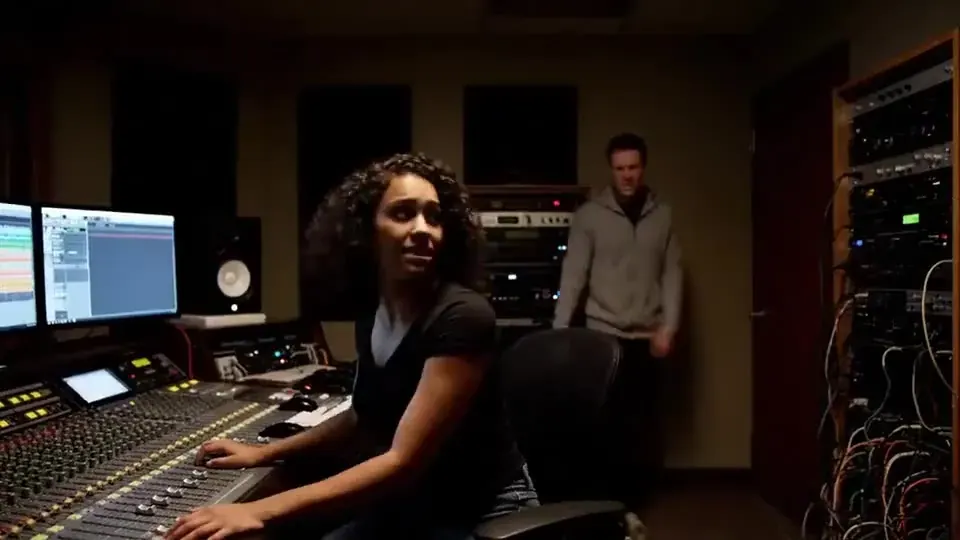
“A young couple sits in a parked car on a rainy night under pink and blue neon signs; the driver turns to her and says, “We’re going to miss the last train.” Side-on medium shot through the window, then a close-up on his face”
02 · Load it on either model
Side A
Kling 3.0
8s · 720p · audio on
112credits≈ $1.52 on Pro
Kling 3.0 at 720p with native sound — the Studio tier in the model menu.
Side B
Veo 3.1 Fast
8s · 720p · audio on
168credits≈ $2.28 on Pro
Veo 3.1 Fast — the Cinema Fast tier in the model menu. For Google’s top tier, pick Cinema (Veo 3.1): 56 credits per second with audio.
Nothing renders until you press Generate.
Both renders: 280 cr ≈ $3.81
Both models run through their APIs on our account. Independent site — not affiliated with Kuaishou or Google.
Kling 3.0 vs Veo 3.1, line by line
| Kling 3.0 | Veo 3.1 | |
|---|---|---|
| Maker | Kuaishou (Kling AI) | Google DeepMind |
| Released | Feb 5, 2026 · native 4K from Apr 2026 | Oct 2025 (Veo 3 launched May 2025) |
| Clip length | 3–15 s, any whole second | 8 s |
| Resolution | 720p · 1080p · 4K | 720p · 1080p · 4K |
| Native audio | Optional · 5 dialogue languages | Always on · no silent option |
| Aspect ratios | 16:9 · 9:16 · 1:1 | 16:9 · 9:16 |
| Multi-shot | Up to 6 shots in one prompt | One shot per request |
| Frames & references | Start + end frame | First + last frame · up to 3 reference images |
| Extend | Extend from the last frame | Scene extension at 720p |
| Tiers | Kling 3.0 · 3.0 Turbo | Veo 3.1 · Fast · Lite |
| Cost per 10 s here (720p, audio) | 140 credits (≈ $1.90) | 336 credits on Veo 3.1 Fast (≈ $4.57) — two 8-second clips |
| Where to use it | Kling app, official API, API platforms, PictureToVideo | Gemini app, Flow, Gemini API, Vertex AI, PictureToVideo (Fast and Standard) |
How many renders for a 30-second spot?
30s
Kling 3.0max 15s per render
2 renders · 1 cut · $3.00 · 420 cr here (≈ $5.71)
15s15sAPI cost, 720p with audio ($0.100/s). Credits shown are what we charge.
Veo 3.1 Fastmax 8s per render
4 renders · 3 cuts · $4.80 · 672 cr here (≈ $9.13)
8s8s8s6sAPI cost with audio ($0.15/s). Every clip is 8 seconds with sound. Credits shown are what we charge.
Veo 3.1max 8s per render
4 renders · 3 cuts · $12.80 · 1792 cr here (≈ $24.35)
8s8s8s6sAPI cost with audio ($0.40/s). Every clip is 8 seconds with sound. Credits shown are what we charge.
Every cut is a place where lighting, faces or motion can jump. Fewer renders usually means a cleaner sequence — and less editing.
Kling vs Veo 3: which one for your project?
Leans Kling 3.0
A 15-second pre-roll fits in one Kling render. Veo 3.1 tops out at 8 seconds per request, so the same spot needs two clips and a cut that has to match lighting and product position.
Based on published specs
Veo 3 vs Kling: where each is stronger on paper
Kling 3.0: length and structure
Fifteen seconds in one take, six shots per prompt and a start-and-end-frame mode make Kling the more structured tool for ads and short scenes. Audio is optional, so silent drafts cost about a third less.
Veo 3.1: sound-first clips
Veo was designed with sound from the start — every Veo clip comes with audio, here and in Google’s own apps — and Google ships three tiers (Standard, Fast, Lite) so you can trade quality for price inside one family.
Resolution is closer than it looks
Both reach native 4K. The practical difference is that Veo renders 8-second clips at every resolution, while Kling 3.0 keeps 4K available across its full 3–15 second range.
Ecosystems differ
Veo lives inside Gemini, Flow and Vertex AI; Kling runs in its own app and through its API. On PictureToVideo both sit in one generator with one credit balance, so you can pick per shot instead of per subscription.
Kling vs Veo 3 credits per second
| Model | Resolution | Credits / sec | With audio | Typical clip |
|---|---|---|---|---|
| Kling 3.0 | 720p | 10 | 14 | 5s · 50 cr ≈ $0.68 |
| Kling 3.0 | 1080p | 13 | 19 | 5s · 65 cr ≈ $0.88 |
| Kling 3.0 | 4K | 47 | — | 5s · 235 cr ≈ $3.19 |
| Veo 3.1 Fast | 720p | — | 21 | 8s · 168 cr ≈ $2.28 |
| Veo 3.1 Fast | 1080p | — | 21 | 8s · 168 cr ≈ $2.28 |
| Veo 3.1 Fast | 4K | — | 49 | 8s · 392 cr ≈ $5.33 |
| Veo 3.1 | 720p | — | 56 | 8s · 448 cr ≈ $6.09 |
| Veo 3.1 | 1080p | — | 56 | 8s · 448 cr ≈ $6.09 |
Example: an 8-second clip with audio costs 112 credits on Kling 3.0 (≈ $1.52) and 168 on Veo 3.1 Fast (≈ $2.28). API list for reference, with sound: Veo 3.1 Fast $0.15/s, Veo 3.1 $0.40/s. Failed renders are refunded.
How we compare Kling vs Veo 3
- Specs come from Kling’s release notes and Google’s Gemini API documentation, checked Oct 3, 2026.
- Credits are our live rates, worked out from each model’s API cost by the same formula.
- The “Try both here” buttons load identical prompt text, length, resolution and audio on both models, so your own comparison is like for like.
- We earn credits either way — PictureToVideo sells both models — so we don’t name an overall winner; the leanings above follow from specs only.
Kling vs Veo 3 FAQ
Still curious? Email support@picturetovideo.org — a human replies within a day.
01Kling vs Veo 3: which is better?
02Can Veo 3 make videos longer than 8 seconds?
03Kling vs Veo 3: do both generate sound?
04Kling vs Veo 3 on price: which is cheaper per 10 seconds?
05Can I generate Veo 3 videos on PictureToVideo?
06How do I run a fair Kling vs Veo 3 test myself?
07Is this comparison endorsed by Google or Kling?
Related tools & models




Render both sides yourself
Run your own Kling vs Veo 3 test: pick a prompt from this page, or paste your own, and render it on Kling 3.0 and Veo 3.1. Starter pack from $2.99, no subscription.