Compare · Model upgrade · Unofficial
Kling 4.0 vs 3.0: worth the wait?
Kling 4.0 vs 3.0 in one line: 4.0 doubles a single take to 30 seconds and adds up to 10 keyframes, 15 reference inputs, 21:9 and stereo sound, while 3.0 is the model you can actually use today. Below are the officially announced specs side by side, a quick checker that tells you whether to wait, and what each costs per second.
- 4.0 · announced Sep 2026
- 3.0 · live now
- Specs checked Oct 3, 2026
Negative prompt
Kling 4.0 vs 3.0, spec by spec
| Kling 4.0 | Kling 3.0 | |
|---|---|---|
| Status | Announced · official release due in October 2026 · Flash beta since Sep 28 | Live since Feb 5, 2026 |
| Single take | 3–30 seconds | 3–15 seconds |
| Keyframes | Up to 10 keyframe images | Start frame + end frame |
| References | Up to 15: 10 images, 5 videos, 7 subjects | 3.0 Omni: up to 7 images or subjects |
| Resolution | 720p · 1080p · 4K | 720p · 1080p · 4K (since Apr 2026) |
| Dynamic range | 10-bit HDR at 1080p and 4K (coming soon) | 8-bit SDR |
| Aspect ratios | 16:9 · 9:16 · 1:1 · 21:9 · Auto | 16:9 · 9:16 · 1:1 |
| Audio | Stereo, tighter lip sync | Mono native audio |
| Dialogue languages | Adds Portuguese, German, French, Indonesian, Hindi + regional accents | Chinese, English, Japanese, Korean, Spanish |
| Prompt length | Up to 8,000 tokens | Not specified |
| Video editing | Up to 5 input videos, 30s in total | Through the 3.0 Omni workflow |
| Extend | Repeated extensions up to 2 minutes (coming soon) | Extend from the last frame |
| API | Not open yet — API platforms list it as “coming soon” | Live on Kling’s official API and third-party API platforms |
Should you wait for Kling 4.0?
Verdict
Create with 3.0 now
Nothing on your list needs 4.0. Kling 3.0 already gives you 3–15 second takes, start and end frames, multi-shot prompts, native audio and 4K.
- 3.0 today · 10s
- 100 cr
- 1 render · ≈ $1.36
- 4.0 at launch · 10s
- 180 cr
- 1 take · provisional rate, may drop
Want to plan all ten keyframes before 4.0 opens? Keyframe timeline

Know the day 4.0 opens
One email the day Kling 4.0 can be generated on PictureToVideo. Until then, Kling 3.0 runs here today.
No spam · one email when 4.0 goes live
Kling 4.0 vs 3.0 price per second
| Model | Resolution | Credits / sec | With audio | Typical clip |
|---|---|---|---|---|
| Kling 4.0launch price | 720p | 18 | 27 | 5s · 90 cr ≈ $1.22 |
| Kling 4.0launch price | 1080p | 24 | 35 | 5s · 120 cr ≈ $1.63 |
| Kling 4.0launch price | 4K | 87 | — | 5s · 435 cr ≈ $5.91 |
| Kling 3.0 | 720p | 10 | 14 | 5s · 50 cr ≈ $0.68 |
| Kling 3.0 | 1080p | 13 | 19 | 5s · 65 cr ≈ $0.88 |
| Kling 3.0 | 4K | 47 | — | 5s · 235 cr ≈ $3.19 |
| Kling 3.0 Turbo | 720p | — | 13 | 5s · 65 cr ≈ $0.88 |
| Kling 3.0 Turbo | 1080p | — | 16 | 5s · 80 cr ≈ $1.09 |
Example: a 10-second 720p clip costs 100 credits on Kling 3.0 (≈ $1.36 on the Pro plan) and 180 credits at the provisional 4.0 rate. Failed renders are refunded automatically.
Kling 4 vs Kling 3: what stays the same
How you write prompts
Kling 4.0 reads prompts the way 3.0 does: subject, action, camera, light, style. What you write today carries straight over, and the 8,000-token limit simply leaves more room for shot-by-shot direction.
Thinking in frames
Both models accept a start and an end image. 4.0 stretches the idea to ten keyframes, so planning your opening and closing frames in 3.0 is exactly the habit that pays off later.
Resolution tiers
720p, 1080p and 4K exist on both. If you already deliver 4K from 3.0, your pipeline doesn’t change — only HDR, still marked coming soon for 4.0, would add a new grading step.
Multi-shot storytelling
Kling 3.0 already writes up to six shots in one prompt, each with its own framing and camera move. 4.0 keeps multi-shot and adds a continuous timeline inside Kling’s own app.
Content rules
The same policy applies to every model on our studio: no sexual or suggestive content, no real public figures, and only images you have the right to use.
Where you use it
On PictureToVideo both sit in one generator: 4.0 is already listed in the model menu as Studio Next, marked coming soon, next to Studio (Kling 3.0). The day its API opens it switches on — your credits, history and drafts stay where they are.
Kling 4.0 Flash vs 3.0 Turbo
| Kling 4.0 Flash | Kling 3.0 Turbo | |
|---|---|---|
| Status | Limited beta in Kling’s app only | Live on PictureToVideo |
| Single take | 3–20 seconds | 3–15 seconds |
| Resolution | 720p only | 720p · 1080p |
| Image to video | First frame only | Yes |
| Dynamic range | 8-bit SDR | 8-bit SDR |
| Audio | Not detailed yet | Always on |
| Credits per second | 19 (provisional) | 13 at 720p · 16 at 1080p |
How we compare Kling 4.0 vs 3.0
- Every 4.0 figure is quoted from Kling’s own release note and blog post, checked Oct 3, 2026; items Kling marks “coming soon” are labelled that way.
- Announced is not tested: we make no claims about 4.0 picture quality until it can be rendered.
- Kling 3.0 and 3.0 Turbo prices are our live rates; 4.0 prices are a provisional ceiling that can only go down.
- Disclosure: PictureToVideo sells access to Kling models, so we earn either way — which is why this page sticks to published specs and prices.
Kling 4.0 vs 3.0 FAQ
Still curious? Email support@picturetovideo.org — a human replies within a day.
01Kling 4.0 vs Kling 3.0: what is the main difference?
02Is Kling 4.0 better than Kling 3.0?
03Can I use Kling 4.0 right now?
04Will Kling 4.0 cost more than Kling 3.0?
05Kling 3.0 vs 4.0: should I wait or start now?
06Does Kling 4.0 support 4K and HDR?
07What is Kling 4.0 Flash?
08Is PictureToVideo run by Kuaishou or Kling AI?
Related tools & models


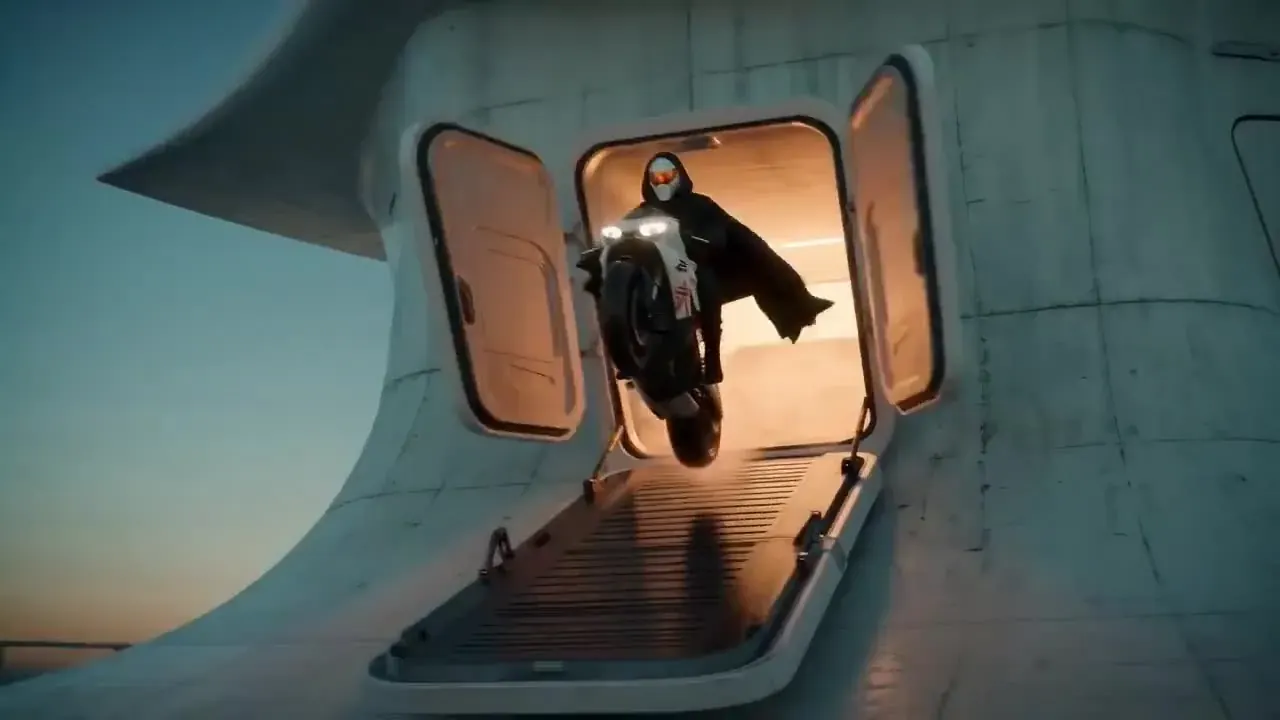

Start the shot today
Render with Kling 3.0 now and switch to 4.0 in the same generator the day it opens. Starter pack from $2.99, no subscription.